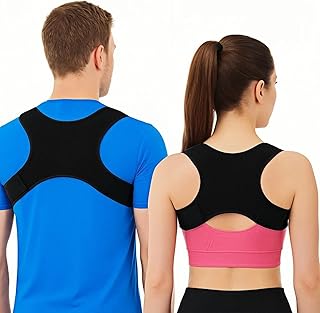
In today's world of prolonged sitting and screen time, maintaining good posture is more challenging than ever. Poor posture doesn't just affect your appearance; it can lead to chronic pain, reduced mobility, and decreased confidence. This is where a Posture Corrector becomes an invaluable tool. These supportive devices are designed to gently retrain your muscles and spine into a healthier alignment, offering both immediate relief and long-term benefits.
Understanding the Benefits of Posture Correction
The primary goal of any posture aid is to provide support and retraining. By pulling your shoulders back and aligning your spine, these devices counteract the forward slump that leads to hunchback (kyphosis) and rounded shoulders. The benefits are multifaceted. Users often experience significant pain relief in the neck, upper back, and shoulders as muscle strain is reduced. Improved alignment also enhances breathing capacity, increases energy levels, and can even boost self-esteem. For those with specific conditions like mild scoliosis or thoracic spine issues, a back brace support can provide the necessary stability.
Key Features to Look For in a Quality Posture Corrector
Not all posture correctors are created equal. When searching for the right one, several features are crucial for comfort and effectiveness.
Adjustability and Fit
An adjustable posture brace is essential. Bodies are unique, and a one-size-fits-all approach rarely works. Look for products with multiple adjustment points on the shoulders and torso to ensure a snug, personalized fit that provides support without cutting off circulation. The HLOES Posture Corrector, for example, is praised for its customizable fit, making it suitable for a wide range of body types.
Material and Breathability
Since you'll likely be wearing it under clothing for extended periods, the material must be breathable. Mesh panels, like those found in the KNXWALT Posture Corrector, allow for air circulation, preventing overheating and skin irritation. This transforms the device from a cumbersome brace into a comfortable posture aid you can wear daily.
Discreet Design
For many, discretion is key. An invisible posture aid can be worn under work clothes or everyday outfits without being noticeable. Products like the Fit Geno Posture Corrector Invisilite are specifically engineered with thin, lightweight materials that lay flat against the body, making them ideal for all-day wear.
Top Applications and Who Can Benefit
Posture correctors are versatile tools beneficial for various individuals:
Office Workers & Students: Long hours at a desk are the prime cause of postural issues. A corrector reminds you to sit upright, combating slouching and the associated upper back and neck pain.
Individuals with Pain: If you suffer from chronic neck, shoulder, or upper/lower back pain, a brace can provide supportive pain relief by offloading strained muscles.
Post-Injury/Post-Surgery Recovery: They offer gentle stabilization for the thoracic and lumbar spine during healing.
Posture Awareness Training: Perhaps the most significant benefit is retraining. By providing consistent feedback, a corrector helps your body memorize the proper alignment, leading to lasting improvement even when you're not wearing it.
Exploring Different Product Options
The market offers a range of designs to suit different needs. For full upper and lower back support, a product like the Kepwaa Posture Corrector provides comprehensive coverage and is even FSA/HSA eligible. For those seeking a focused shoulder straightener, the WNIEYO Back Brace targets the clavicle and shoulder area to roll the shoulders back effectively.
For a deep dive into making the right choice, the Ultimate Guide to Posture Correctors is an excellent resource that breaks down the various types, benefits, and selection criteria.
How to Use a Posture Corrector Effectively
To get the most out of your device, start slowly. Wear it for 15-30 minutes a day, gradually increasing the duration as your body adjusts. It should feel supportive but not painfully restrictive. Always combine its use with conscious effort—actively think about your posture while sitting, standing, and walking. For a comprehensive usage guide, check out the Posture Corrector Guide on Benefits and Usage. Remember, a corrector is an aid, not a cure-all; pairing it with strengthening exercises for your core and back muscles will yield the best long-term results.
Investing in a quality posture corrector is an investment in your long-term health and well-being. By providing gentle, consistent reminders and support, these devices can help you break the cycle of slouching, alleviate pain, and stand taller with confidence. Whether you choose an adjustable model like the UltraSupport+ or a lightweight, invisible option, the path to better posture and less pain is within reach.